

Ashfaq Academyof Clinical Medicine

Paediatrics

Neonatology Mastery

From the labour room to the nursery, with confidence.

  • Next batchComing soon
  • FeePKR 3,000
  • FormatLive online + 6-month recordings
  • Time8–10 PM PKT on Zoom · usually alternate days8 PM PKT = 7 PM UAE · 6 PM KSA · 3 PM UK (GMT) / 4 PM UK (BST)

Who can join? Doctors, nurses & allied health professionals

Why this course

What you get

  • Lead the first minutes of newborn resuscitation
  • Assess and manage neonatal jaundice using bilirubin charts
  • Recognise and treat neonatal sepsis early
  • Plan neonatal fluids, feeding and glucose management
  • Care for preterm and low-birth-weight babies

Each batch gets a private WhatsApp group where Zoom join links, recordings and case discussions are shared.

Sample certificate

Sample certificate of completion from Ashfaq Academy of Clinical Medicine, marked SAMPLE SAMPLE
Sample certificate of completion (tap to enlarge). Yours carries your name, the course dates, a certificate number, Dr Waqas Khan's signature and the institute seal. PDF
Course details

About this course

Overview

A practical course on the newborn problems every doctor, nurse and allied health professional meets in the labour room, nursery and NICU. It covers resuscitation, common neonatal emergencies and day-to-day nursery care, with clear protocols and doses you can use on your next shift.

Who it's for
  • House officers and medical officers in paediatrics, gynaecology or the nursery
  • Postgraduate trainees in paediatrics
  • Doctors working in NICUs or labour rooms
  • Final-year medical students
  • Nurses and allied NICU and labour-room professionals who want to understand the reasoning behind the protocols they use every shift

Eligibility: Doctors, nurses and allied health professionals.

Dates, timings & fees
Fee: PKR 3,000. New dates will be announced soon. Register your interest and we'll message you on WhatsApp first.

Timings: 8–10 PM PKT on Zoom · usually alternate days (8 PM PKT = 7 PM UAE · 6 PM KSA · 3 PM UK (GMT) / 4 PM UK (BST)).

Coming soon. Every enrolled student gets 6 months of access to the session recordings. Recorded-only access is also available, with the same 6 months of access: register and choose "Recorded", and we will share the details on WhatsApp.

How you can take it
Curriculum

What we cover

Open a day or module below. Everything is still here — just collapsed so the page stays easy to scan.

  • Seven live sessions on Zoom, usually on alternate days, 8–10 PM Pakistan time — each one is one focused, continuous class, not a series of separate sessions stitched together
  • Case-based learning throughout, with real-life scenarios driving every topic
  • Downloadable guides, algorithms, and staging charts for every major condition
  • 6 months of access to recordings — revisit any session as many times as you need
  • Certificate of completion, issued within 7 days of the final class
Sections tagged “Updated 2023–26” bring practice in line with guidance published between 2023 and 2026.

Day by day

  1. Day 1Normal to Critical Newborn CareDelivery room assessment & resuscitation, thermoregulation, fluid and feeding basics, the well-baby check, and recognising the newborn who is quietly becoming unwell2 hours
  2. Day 2Respiratory ExcellenceRDS, TTN, MAS, BPD, CPAP and ventilation basics, surfactant therapy and weaning, apnoea of prematurity2 hours
  3. Day 3Cardiovascular CarePDA, PPHN, neonatal shock, inotrope selection, critical congenital heart disease screening and duct-dependent lesions2 hours
  4. Day 4Neurology FocusedHIE and therapeutic cooling, neonatal seizures, neuroprotection beyond cooling, IVH grading and management, neurodevelopmental follow-up2 hours
  5. Day 5Infections in NeonatesEarly- and late-onset sepsis, congenital (TORCH) infections, neonatal meningitis, fungal infection, necrotising enterocolitis, and infection control in the NICU2 hours
  6. Day 6Jaundice, Haematology & Metabolic CarePhysiological vs pathological jaundice, haemolytic disease of the newborn, neonatal anaemia and polycythaemia, thrombocytopenia, hypoglycaemia, electrolyte disturbance, and inborn errors of metabolism2 hours
  7. Day 7Practical NICU ManagementUmbilical line insertion and care, fluid and electrolyte protocols, pain assessment and management, parenteral nutrition, and safe neonatal prescribing2 hours

Full curriculum

Tap a day to see every topic.

Day 1Normal to Critical Newborn CareThe Foundation Every Other Day Builds On · 2 hours

Learning objectives

  1. Perform a structured delivery room assessment and apply the NRP algorithm confidently under pressure
  2. Prevent and correct neonatal hypothermia using the golden hour framework
  3. Calculate day-one fluid requirements and recognise feeding difficulty before it becomes failure to thrive
  4. Distinguish the well newborn from the newborn who is quietly becoming unwell — the single skill most OPD referrals hinge on

Delivery Room Assessment & Resuscitation

Recognise
  • The three rapid assessment questions at birth: term gestation? good tone? breathing or crying? — if all three are yes, the baby stays with mother; if any is no, proceed to the warmer
  • APGAR scoring at 1 and 5 minutes as a communication and documentation tool — it does not, by itself, guide resuscitation decisions in real time
Confirm & Decide — The NRP Algorithm
FindingAction
Not breathing / gasping, or HR <100Positive pressure ventilation (PPV) within the Golden Minute — this is the single most important intervention in all of neonatal resuscitation
HR <60 despite 30 seconds of effective PPV (chest rise confirmed, corrective steps applied)Begin chest compressions, coordinated 3:1 with ventilation; increase oxygen to 100%
HR remains <60 despite effective PPV and compressionsIV/IO epinephrine 0.01-0.03mg/kg (1:10,000 concentration), repeated every 3-5 minutes if needed
No response to the aboveConsider hypovolaemia (volume expansion) and pneumothorax as reversible causes before assuming the resuscitation has failed
Clinical pearl
  • Heart rate — not colour, not tone, not respiratory effort alone — is what actually tells you whether your resuscitation is working. Auscultation or ECG leads are more reliable than pulse oximetry in the first minute, since a reliable saturation reading can take a genuinely long time to acquire in a vigorously resuscitating team's hands.
  • The single most common reason PPV appears to 'fail' is inadequate mask seal or an unopened airway, not a reason to escalate to compressions early — work through the corrective steps (MR SOPA: mask reposition, reposition airway, suction, open mouth, pressure increase, alternative airway) before concluding PPV genuinely isn't working.

Thermoregulation — The Golden Hour

Recognise
  • Normal neonatal temperature range: 36.5-37.5°C — both hypothermia and iatrogenic hyperthermia carry real, distinct risks and neither should be treated as a minor detail
  • The four mechanisms of neonatal heat loss: evaporation (wet skin at birth — the largest and most preventable loss), conduction, convection, and radiation
Manage
  • The golden hour bundle: dry immediately, skin-to-skin or radiant warmer, cap the head (a disproportionately large surface area for heat loss), delay the first bath, and keep the resuscitation area genuinely warm before the baby ever arrives in it
  • Preterm infants under 32 weeks: polyethylene wrap without drying, directly onto the warmer, in addition to standard measures — drying a very preterm infant's fragile skin can itself cause injury
  • Hypothermia on admission is independently associated with worse outcomes, including increased mortality in preterm infants — this is not a cosmetic vital sign, it is a genuine marker to actively prevent, not just record

Fluid & Feeding Basics

Manage — Day-One Fluid Blueprint
  • Term infants on IV maintenance fluids (NICE NG29): 50-60mL/kg/day on day 1, 70-80mL/kg/day on day 2, 80-100mL/kg/day on day 3, 100-120mL/kg/day on day 4, and 120-150mL/kg/day from day 5
  • Preterm infants need higher starting volumes given greater insensible water loss through immature skin — this is expanded in full, with the exact staged protocol, on Day 7
  • Expect and do not over-correct: physiological weight loss of up to 8-10% in the first week is normal, reflecting genuine diuresis, not inadequate feeding
Recognise — Feeding Difficulty
  • Effective breastfeeding cues: audible swallowing, a relaxed hand/arm during the feed, 6+ wet nappies by day 5, and weight regain to birth weight by 2 weeks
  • Red flags for genuine feeding difficulty: poor latch that doesn't improve with positioning support, excessive sleepiness at the breast, weight loss beyond 10%, or delayed weight regain beyond 3 weeks

Recognising the Newborn Who Is Quietly Becoming Unwell

Recognise
  • Newborns decompensate differently from older children — subtle, non-specific signs often precede an obvious crisis by hours, which is exactly why this skill matters more here than almost anywhere else in paediatrics
  • The genuinely useful red flag combination: poor feeding PLUS lethargy/reduced handling response PLUS temperature instability (either direction) — any one alone is worth noting; two or more together warrants same-visit escalation
  • Subtle respiratory signs worth active screening: mild grunting, nasal flaring, or a respiratory rate consistently above 60 even at rest — easy to miss on a brief OPD glance, and exactly the findings this workshop trains you to actively look for rather than passively observe
Red flag — do not miss
  • Any newborn under 28 days with a temperature ≥38°C, or notably low (<36°C), needs urgent assessment regardless of how well they otherwise appear — this age group does not reliably show you how sick they are through appearance alone
  • A baby who was feeding well and is now consistently refusing feeds, or taking substantially longer or working harder to feed than 2 days ago, has told you something real — this history point alone should raise your index of suspicion before you've even completed the examination
Case-based discussion
  • A term infant born by uncomplicated vaginal delivery is floppy with poor respiratory effort at birth. Walk through your NRP-guided response in real time, step by step, including exactly when you would escalate.
  • A 5-day-old brought to OPD is 'just a bit sleepier than usual' per the mother, still taking some feeds, temperature 36.2°C. What is your assessment approach, and what specifically are you screening for before deciding whether this is reassurance or referral?
Day 2Respiratory ExcellenceRDS, TTN, MAS, BPD, and the Ventilation Basics Every Neonatologist Needs · 2 hours

Learning objectives

  1. Distinguish RDS, TTN, and MAS from history, examination, and chest X-ray pattern alone
  2. Apply an exact surfactant protocol, including timing and weaning
  3. Understand CPAP and basic ventilation strategy without needing to run the ventilator yourself
  4. Recognise and manage apnoea of prematurity and evolving BPD

Respiratory Distress Syndrome (RDS)

Recognise
  • Surfactant deficiency in the preterm lung — onset within minutes to hours of birth, worsening over the first 24-48 hours without treatment: grunting, nasal flaring, subcostal/intercostal recession, tachypnoea
  • Chest X-ray: diffuse fine granular ('ground-glass') opacities with air bronchograms, low lung volumes — the classic pattern to recognise on sight
Manage — The Exact Blueprint
  • Antenatal corticosteroids (betamethasone/dexamethasone) to the mother when preterm delivery is anticipated — the single most effective preventive intervention, reducing both RDS incidence and severity
  • Early CPAP as the initial respiratory support strategy for spontaneously breathing preterm infants, reserving intubation and surfactant for those who fail CPAP or need it from the outset
  • Surfactant (poractant alfa — Curosurf — is the most widely used preparation): dosed by weight, given via a LISA (less invasive surfactant administration) technique where the infant is breathing adequately, or via ETT if intubated; redose if ongoing high oxygen requirement
  • Wean respiratory support based on oxygen requirement and work of breathing trending down, not by a fixed calendar schedule

Transient Tachypnoea of the Newborn (TTN)

Recognise
  • Delayed clearance of fetal lung fluid — classically the term or late-preterm infant born by elective caesarean section without labour, presenting with tachypnoea within the first few hours
  • Chest X-ray: prominent perihilar streaking, fluid in the horizontal fissure — a genuinely different pattern from RDS's ground-glass appearance, and this distinction matters for prognosis and counselling
Manage
  • Supportive care — supplemental oxygen as needed, feeding support if respiratory rate is too high for safe oral feeding; typically resolves within 24-72 hours
  • The key counselling point: this is self-limiting, and the family can be told this with genuine confidence once the diagnosis is clear

Meconium Aspiration Syndrome (MAS)

Recognise
  • History of meconium-stained liquor plus respiratory distress in a term or post-term infant; can range from mild tachypnoea to severe respiratory failure with air trapping
  • Chest X-ray: patchy, asymmetric infiltrates alongside areas of hyperinflation — a genuinely 'busy,' irregular pattern distinct from both RDS and TTN
Manage
  • Supportive respiratory care matched to severity — from supplemental oxygen through to mechanical ventilation for severe disease; avoid unnecessary aggressive suctioning of a vigorous infant, which current resuscitation guidance no longer recommends as routine
  • Watch specifically for secondary PPHN, a genuinely common and dangerous complication of severe MAS, covered in full on Day 3

CPAP, Ventilation Basics & Weaning

Manage
  • CPAP provides continuous distending pressure to keep alveoli open between breaths — the reasoning, not just the numbers, is what this session builds, so you understand WHY a pressure or flow change is being made, not just what number to dial in
  • Basic ventilation strategy: the goal is adequate gas exchange with the LEAST possible pressure and oxygen exposure, since both ventilator-induced lung injury and oxygen toxicity are real, cumulative risks in the preterm lung
  • Weaning principles: reduce the most injurious parameter first (typically pressure/FiO2) as tolerated, guided by blood gas trends and clinical work of breathing, not a fixed protocol applied identically to every infant

Apnoea of Prematurity & Bronchopulmonary Dysplasia (BPD)

Recognise
  • Apnoea of prematurity: pauses in breathing >20 seconds, or shorter with bradycardia/desaturation, in a preterm infant without another identifiable cause — a diagnosis of exclusion once sepsis, hypoglycaemia, and other causes are considered
  • BPD: persistent oxygen requirement at 28 days of life (or 36 weeks corrected gestational age, depending on the definition used), reflecting the combined injury of prematurity, ventilation, and oxygen exposure on the developing lung
Manage
  • Apnoea of prematurity: caffeine citrate (Peyona) is first-line — genuinely one of the best-evidenced neuroprotective interventions in all of neonatology, not just a respiratory stimulant, and this dual benefit is worth stating explicitly to trainees who may otherwise underrate its importance
  • BPD: minimise ongoing lung injury (gentlest effective respiratory support), optimise nutrition for growth, and a role for diuretics or corticosteroids in selected, more severe cases under specialist guidance
Case-based discussion
  • A 32-week infant develops grunting and recession within 20 minutes of birth. Walk through your recognition, your CPAP-versus-surfactant decision, and your exact surfactant protocol if given.
  • A term infant born by elective caesarean at 38 weeks develops a respiratory rate of 80 at 2 hours of age, otherwise well. What's on your differential, what does the chest X-ray show you, and what do you tell the family about the expected course?
Day 3Cardiovascular CarePDA, PPHN, Shock, and the Heart Disease You Cannot Afford to Miss · 2 hours

Learning objectives

  1. Apply current, evidence-based PDA management — including the genuine shift toward conservative management first
  2. Recognise and manage PPHN with an exact escalation pathway
  3. Select the correct inotrope for the correct type of neonatal shock
  4. Apply the current, simplified critical congenital heart disease screening protocol

Patent Ductus Arteriosus (PDA)Updated 2023–26

Recognise
  • Continuous or systolic murmur at the left upper sternal border, bounding pulses, widened pulse pressure, and in a haemodynamically significant PDA — a hyperdynamic precordium, feeding difficulty, and worsening respiratory status in a preterm infant
  • Confirm with echocardiography before treating — clinical signs alone correlate poorly with genuine haemodynamic significance
What's changed — 2023–2026
  • The BeNeDuctus trial (NEJM 2023) found expectant management non-inferior to early ibuprofen treatment — a primary-outcome event (NEC, moderate-severe BPD, or death by 36 weeks) occurred in 46.3% of the expectant-management group versus 63.5% of the early-ibuprofen group. This has genuinely shifted standard practice: the AAP's 2025 clinical report (Pediatrics 2025;155:e2025071425) recommends against prophylactic or early (under 2 weeks) medical closure, supports expectant management of a PDA that is not haemodynamically significant, and treats medical closure (ibuprofen or paracetamol) as an option for an echo-confirmed haemodynamically significant PDA, mostly beyond 2 weeks of age.
Manage — The Exact Blueprint
  • First: conservative management — supportive care, fluid restriction if appropriate, and watchful waiting, particularly in the first 1-2 weeks, is now the appropriate default for most preterm infants rather than an outdated 'wait and see'
  • If pharmacological closure is genuinely indicated: ibuprofen, indomethacin, or paracetamol (acetaminophen) are all evidence-supported options — paracetamol shows comparable efficacy with a more favourable side-effect profile and is a genuinely useful alternative where NSAIDs are contraindicated (renal impairment, active bleeding, thrombocytopenia)
  • Surgical ligation or transcatheter device closure is reserved for infants who fail medical therapy or have a contraindication to it, with a hemodynamically significant PDA causing ongoing clinical compromise

Persistent Pulmonary Hypertension of the Newborn (PPHN)

Recognise
  • Failure of the normal postnatal fall in pulmonary vascular resistance — presents as severe hypoxaemia disproportionate to the degree of parenchymal lung disease seen on chest X-ray, often with labile oxygenation
  • Pre- and post-ductal saturation difference (greater than 10%, or any meaningful gradient) supports right-to-left shunting across the ductus — a genuinely useful, fast bedside confirmatory sign
  • Common associations: MAS, sepsis, severe RDS, and pulmonary hypoplasia (e.g. with congenital diaphragmatic hernia)
Manage
  • Optimise oxygenation and ventilation first — adequate lung recruitment genuinely reduces pulmonary vascular resistance and should not be skipped in favour of jumping straight to pulmonary vasodilators
  • Inhaled nitric oxide as the primary selective pulmonary vasodilator where available; sildenafil as an oral/enteral option, particularly where inhaled nitric oxide access is limited
  • Maintain adequate systemic blood pressure — a genuinely important adjunct principle, since a falling systemic pressure worsens right-to-left shunting through the ductus/foramen ovale regardless of how well the pulmonary vasculature itself is treated
  • ECMO as an escalation option in refractory cases where available, though this remains inaccessible in most Pakistani centres and is worth acknowledging honestly as a resource-limited-setting reality

Neonatal Shock & Inotrope SelectionUpdated 2023–26

Recognise
  • Poor perfusion signs: prolonged capillary refill, cool peripheries, weak pulses, mottling, reduced urine output — blood pressure alone is a late and unreliable sole indicator in neonates, particularly preterm infants
What's changed — 2023–2026
  • The National Neonatology Forum's 2023 clinical practice guideline is the most current dedicated source on neonatal shock. A genuinely important, less intuitive current recommendation: isolated hypotension without clinical or biochemical signs of poor perfusion in the first 24 hours of life in very preterm infants (under 32 weeks) may not need active treatment at all — 'permissive hypotension' in this specific, narrow window, rather than reflexively treating a number.
Manage — Inotrope Selection by Shock Type
Shock TypeFirst-Line Approach
Septic shockEpinephrine (start 0.05mcg/kg/min) or norepinephrine (start 0.02-0.1mcg/kg/min) are now preferred over dopamine as the first vasoactive in septic shock (SSC 2020; the SSC 2026 children's guideline, which applies from 37 weeks' gestation, prefers neither over the other — epinephrine suits cold shock with poor cardiac function, norepinephrine warm vasodilatory shock); start through a good peripheral line rather than waiting for central access; use dopamine (start 5-10mcg/kg/min, maximum ~20mcg/kg/min) only where neither is available, and follow unit protocol in preterm infants, who were not included in the SSC guidelines
PDA-related hypotensionDopamine, starting lower at 5mcg/kg/min, incrementing by 2mcg/kg/min every 20 minutes; use conservative fluid boluses (10mL/kg) rather than large-volume resuscitation
Cardiogenic shock (e.g. post-asphyxia)No single agent has clearly superior evidence — dopamine, dobutamine, or epinephrine are all reasonable depending on the specific physiology, ideally guided by functional echocardiography
Refractory shock despite an adequately titrated inotropeConsider hydrocortisone for catecholamine-resistant shock — a rising or high epinephrine/norepinephrine requirement despite adequate fluids (the SSC guidelines leave this to clinician judgement)
Clinical pearl
  • Dopamine raises blood pressure more effectively than dobutamine in the short term in preterm infants — but neither has been shown to reliably improve long-term neurodevelopmental outcome. Treat the whole clinical picture (perfusion, urine output, lactate trend) rather than chasing a single blood pressure number with an ever-increasing inotrope dose.

Critical Congenital Heart Disease (CCHD) ScreeningUpdated 2023–26

Recognise
  • Duct-dependent lesions — hypoplastic left heart, critical coarctation, transposition of the great arteries, critical pulmonary atresia — can look deceptively well in the first hours of life, precisely while the ductus remains open, then decompensate rapidly as it closes
What's changed — 2023–2026
  • The AAP's updated CCHD screening protocol (published December 2024, in effect from 2025) simplified the pass threshold to a SINGLE number: oxygen saturation ≥95% in both the right hand (pre-ductal) and either foot (post-ductal), with a difference of no more than 3% between them; a reading below 90% at either site is an immediate fail, and an indeterminate result is now repeated only ONCE, after 1 hour, instead of twice (AAP clinical report, Oster et al., Pediatrics 2025) — replacing the older, more complex tiered threshold system that was a genuine, common source of confusion.
  • Screen at approximately 24 hours of age in the well-baby nursery; do not screen infants already on supplemental oxygen
  • Pulse oximetry alone does NOT reliably detect all duct-dependent lesions, particularly some left-sided obstructive lesions like coarctation — a normal screen does not override genuine clinical concern (poor femoral pulses, differential upper/lower limb blood pressure, a murmur, or respiratory distress)
  • Any suspected duct-dependent lesion: start prostaglandin E1 immediately to maintain ductal patency while arranging urgent cardiology assessment — this single action buys the time that definitive management requires
Case-based discussion
  • A 29-week infant has a soft systolic murmur and bounding pulses on day 4, otherwise stable on low-flow oxygen. Walk through your assessment, your echo threshold for treating, and your management blueprint given current evidence.
  • A term infant passes the CCHD pulse oximetry screen but has notably weaker femoral than brachial pulses on your own examination. What does the screening result mean here, and what do you do next?
Day 4Neurology FocusedHIE, Seizures, Neuroprotection & Development · 2 hours

Learning objectives

  1. Apply therapeutic hypothermia criteria and understand the neuroprotective mechanisms beyond cooling itself
  2. Recognise and treat neonatal seizures using the first modern international consensus on the topic
  3. Grade intraventricular haemorrhage using current terminology and manage evolving hydrocephalus
  4. Build an appropriate neurodevelopmental follow-up plan for a high-risk NICU graduate

Hypoxic-Ischaemic Encephalopathy (HIE) & Therapeutic Hypothermia

Recognise
  • A history of a significant perinatal hypoxic-ischaemic event, plus evidence of encephalopathy on examination (altered consciousness, abnormal tone, abnormal reflexes, seizures) — Sarnat staging (mild/moderate/severe) to grade severity and guide the cooling decision
  • Eligibility for therapeutic hypothermia is time-critical: cooling should begin within 6 hours of birth to have genuine neuroprotective benefit
Manage
  • Whole-body cooling to a core temperature of 33.5°C for 72 hours, followed by controlled, gradual rewarming — this remains the single most effective proven neuroprotective intervention in moderate-severe HIE
  • Continuous aEEG/EEG monitoring throughout cooling, both to grade background severity and to detect the seizures that are extremely common in this population, often subclinical

Neonatal SeizuresUpdated 2023–26

Recognise
  • Only focal clonic and focal tonic seizures can be reliably diagnosed by clinical observation alone — every other seizure type needs EEG or aEEG confirmation, since clinical observation alone is genuinely unreliable for most neonatal seizure types
  • Subtle seizures (lip smacking, cycling movements, eye deviation) are easily missed or misattributed to normal neonatal behaviour without a genuinely high index of suspicion
What's changed — 2023–2026
  • The ILAE Task Force's 2023 special report is the first international consensus on neonatal seizure management in over a decade. Phenobarbital remains first-line regardless of cause, UNLESS a channelopathy is suspected (e.g. a family history suggestive of KCNQ2-related epilepsy), in which case a sodium-channel blocker (phenytoin or carbamazepine) is preferred instead. Second-line options are phenytoin, levetiracetam, midazolam, or lidocaine.
  • This matters because levetiracetam has become increasingly popular in general practice for its more favourable side-effect profile — but the NEOLEV2 randomised trial found phenobarbital achieved seizure freedom in 80% of infants versus only 28% with levetiracetam. Levetiracetam is NOT equivalent for actually stopping seizures, even though it remains a reasonable second-line or cardiac-disease-preferred option.
Manage — Typical Loading Doses
  • Phenobarbital: loading dose 20mg/kg IV, with further 10mg/kg increments up to a total of 40mg/kg if seizures continue
  • Levetiracetam: loading dose 40-60mg/kg
  • Phenytoin: loading dose 20mg/kg, with cardiac monitoring during infusion given arrhythmia risk
  • Use phenobarbital for the shortest duration clinically appropriate, with early discontinuation once acute, provoked seizures are controlled, rather than defaulting to prolonged maintenance

Neuroprotection Beyond CoolingUpdated 2023–26

Manage
  • Antenatal magnesium sulphate, given to mothers at risk of imminent preterm birth (typically under 30-34 weeks depending on local protocol): a 2024 Cochrane update (6 trials, women at risk of birth before 34 weeks) confirmed a genuine reduction in cerebral palsy (relative risk 0.71, 95% CI 0.57-0.89; number needed to treat about 60) and in the combined outcome of death or cerebral palsy — one of the best-evidenced neuroprotective interventions in all of neonatology, and one that happens well before the baby you'll be examining is even born
  • Caffeine citrate for apnoea of prematurity carries a genuine neurodevelopmental benefit beyond its respiratory effect, ranking well in recent network meta-analyses for reducing neurodevelopmental impairment — reinforcing why this should never be thought of as 'just' a respiratory drug
  • Erythropoietin/darbepoetin have NOT shown convincing neuroprotective benefit in large modern trials, despite earlier promise — worth knowing so you don't overstate this option to a family asking about it

Intraventricular Haemorrhage (IVH)Updated 2023–26

Recognise
  • Screen with cranial ultrasound in the first week of life for all infants born at ≤30+6 weeks, repeated at 4-6 weeks of age (AAP 2020 clinical report); scan more mature or larger preterm infants (e.g. 31-32 weeks or under 1500g) when they have risk factors, or per local protocol
What's changed — 2023–2026
  • Grading still uses the Papile classification with Volpe's modification (Grade I: subependymal/germinal matrix only; Grade II: intraventricular, under 50% of ventricular area; Grade III: over 50%, with ventricular dilatation) — but what was traditionally called 'Grade IV IVH' is now correctly termed periventricular haemorrhagic infarction (PVHI), reflecting that this represents a separate venous infarction process rather than a simple extension of the same bleed. This terminology change matters for how you discuss prognosis with families and in exam answers.
Manage
  • Management is largely supportive for the haemorrhage itself; the real ongoing task is surveillance for post-haemorrhagic ventricular dilatation (PHVD) with serial head circumference measurement and ultrasound
  • Progressive PHVD may need temporising measures (ventricular access device, ventriculosubgaleal shunt) before a definitive VP shunt if hydrocephalus persists
  • Prevention remains the best treatment: antenatal steroids, delayed cord clamping, and avoiding rapid swings in blood pressure or sodium in the vulnerable first days

Neurodevelopmental Follow-Up

Manage
  • Every high-risk NICU graduate (significant prematurity, HIE, IVH, prolonged ventilation) needs a structured follow-up plan established before discharge, not arranged reactively if a problem is later noticed
  • Always track growth and developmental milestones using CORRECTED age, not chronological age, for at least the first 2 years — a common and avoidable source of false parental alarm or false reassurance when this is forgotten
  • Prechtl's General Movements Assessment (watching for 'fidgety' movements at around 3 months corrected age) and the Hammersmith Infant Neurological Examination are the best-validated early tools for predicting cerebral palsy, well before it would otherwise become clinically obvious
  • Follow-up should genuinely extend to school age for the highest-risk graduates, since behavioural and learning difficulties often emerge only once academic demands increase, well beyond the point most NICU follow-up clinics discharge a 'developmentally normal' toddler
Case-based discussion
  • A term infant has a difficult delivery with a cord pH of 6.9, is floppy with absent primitive reflexes at 1 hour of age. Walk through your Sarnat staging, your cooling decision and timeline, and your seizure-monitoring plan.
  • A 27-week infant's day-5 cranial ultrasound shows a large intraventricular bleed with ventricular dilatation. What do you call this on current terminology, and what does your surveillance and escalation plan look like over the following weeks?
Day 5Infections in NeonatesSepsis Evaluation, Antibiotics & Infection Control · 2 hours

Learning objectives

  1. Risk-stratify early-onset sepsis using current, evidence-based tools rather than treating every risk factor identically
  2. Apply exact first-line antibiotic regimens and current, shorter treatment durations for early- and late-onset sepsis
  3. Recognise and treat congenital CMV, invasive candidiasis, and neonatal meningitis
  4. Stage and manage necrotising enterocolitis, and apply core infection-control bundles in the NICU

Early-Onset Sepsis (EOS) — Risk StratificationUpdated 2023–26

Recognise
  • Risk factors: maternal fever, prolonged rupture of membranes, chorioamnionitis, maternal GBS colonisation with inadequate intrapartum prophylaxis, prematurity of unclear cause
  • Clinical signs are frequently non-specific: temperature instability, respiratory distress, poor feeding, lethargy, or simply 'not looking right' — the same subtle picture covered on Day 1, now with sepsis specifically in mind
What's changed — 2023–2026
  • The Kaiser Permanente EOS calculator was re-derived in 2024 on a contemporary cohort of over 400,000 infants born 2010-2020, reflecting modern universal GBS screening and intrapartum prophylaxis practice. Where implemented, calculator-guided care has been shown to reduce blood cultures by roughly two-thirds and empirical antibiotic use by close to half, without compromising safety — a genuine, evidence-based shift away from treating every risk factor identically. It should be applied alongside, not instead of, close clinical observation, and ideally calibrated to local practice. Use the 2024 model only where universal antenatal GBS screening is in place; where it isn't — as in many Pakistani units — the calculator's developers advise using the original model.
Manage — First-Line Antibiotics (NICE NG195)
  • EOS: IV benzylpenicillin + gentamicin (gentamicin dosed once daily) — this remains first-line empirical therapy
  • If Gram-negative sepsis is confirmed, add an agent such as cefotaxime and stop benzylpenicillin
  • Late-onset sepsis (LOS): narrower-spectrum combinations guided by local resistance patterns, such as IV flucloxacillin + gentamicin; add anaerobic cover (metronidazole) if NEC is suspected
What's changed — 2023–2026
  • Duration has genuinely shortened with current evidence. Stop antibiotics at 36 hours if blood cultures are negative, the initial suspicion of infection was not strong, the baby is clinically well, and CRP trends are reassuring — treating a full, arbitrary 5-7 day course 'to be safe' in a well infant with negative cultures is no longer the recommended standard of care. Updated NICE NG195 recommendation (May 2026): for babies born from 35+0 weeks with negative blood cultures who still need antibiotics beyond 36 hours because the initial suspicion was strong, consider switching from IV to oral amoxicillin at 36 hours or later to complete up to 7 days in total — provided the baby is clinically reassuring, CRP levels and trends are reassuring and oral feeds are tolerated. The switch needs consultant-level sign-off; if treatment continues at home, parents give the first dose under supervision and at least two follow-up reviews are arranged.
Red flag — do not miss
  • A positive blood culture, or strong ongoing clinical suspicion despite a negative culture, still warrants a full 7-day IV course — the shortened-duration approach applies specifically to the reassuring, culture-negative, clinically well infant, not universally.

Neonatal Meningitis

Manage
  • Perform a lumbar puncture with strong clinical suspicion or overt signs of meningitis — bulging fontanelle, seizures, or a genuinely unwell infant with sepsis; aim for CSF results within 4 hours where feasible, given how much this changes immediate management
  • Gram-negative organism on CSF: cefotaxime. Confirmed Listeria: amoxicillin/ampicillin plus gentamicin. Avoid vancomycin monotherapy given variable, unreliable CSF penetration
  • Treatment duration is genuinely longer than for uncomplicated sepsis — typically a minimum of 14 days for Group B strep, and 21 days or more for Gram-negative meningitis, reflecting the harder-to-sterilise CNS compartment

Congenital Infections & Invasive CandidiasisUpdated 2023–26

Recognise — Congenital CMV
  • The leading NON-genetic cause of sensorineural hearing loss in children — worth actively considering in any infant with growth restriction, microcephaly, petechiae, hepatosplenomegaly, or a failed newborn hearing screen
Manage — Congenital CMV
  • Symptomatic, moderate-to-severe disease: oral valganciclovir 16mg/kg twice daily, started within the first month of life, for a full 6-month course — this duration is a deliberate, evidence-based choice, not an arbitrary long course
  • Severe or life-threatening CNS disease, or where enteral absorption is uncertain: IV ganciclovir for 2-6 weeks initially, then transition to oral valganciclovir to complete the 6 months
  • Monitor absolute neutrophil count, platelets, and liver enzymes during treatment — neutropenia occurs in a genuinely meaningful proportion of treated infants and needs active surveillance, not just awareness
Manage — Invasive Candidiasis
  • Fluconazole prophylaxis (3-6mg/kg twice weekly for 6 weeks) is recommended for infants under 1000g birth weight in units with high rates (over 10%) of invasive candidiasis (IDSA 2016), and may be considered for infants under 1500g in such high-incidence units; where rates are low, follow unit protocol and focus on prevention (line care, antibiotic stewardship); oral nystatin is an alternative where fluconazole is unsuitable
  • Established invasive infection: amphotericin B, fluconazole, or an echinocandin depending on the specific picture, combined with prompt removal of any central line — source control matters as much as the antifungal choice itself

Necrotising Enterocolitis (NEC)

Recognise & Stage — Modified Bell's Criteria
StageFeatures
I — SuspectedNon-specific systemic signs (temperature instability, apnoea, lethargy) with mild intestinal signs (feed intolerance, mild abdominal distension); non-specific or normal radiology
II — DefiniteAs above, plus pneumatosis intestinalis and/or portal venous gas on imaging — this is the point at which the diagnosis becomes radiologically confirmed
III — AdvancedPeritonitis, bowel perforation, and shock — a surgical emergency
Manage
  • Stage I-II: nil by mouth, gastric decompression, broad-spectrum antibiotics with anaerobic cover, and supportive care, with serial abdominal examination and imaging to track progression or resolution
  • Stage III (perforation): surgical intervention — laparotomy or peritoneal drainage depending on the infant's stability and local surgical resources
  • Serial abdominal ultrasound alongside plain radiographs is an increasingly used adjunct for earlier detection of evolving disease before perforation occurs

Infection Control in the NICUUpdated 2023–26

Manage — CLABSI Prevention Bundle
  • Insertion bundle: hand hygiene, maximal sterile barrier precautions, chlorhexidine skin antisepsis, and a checklist-driven, standardised insertion process every time, regardless of operator seniority
  • Maintenance bundle: minimise how often the line hub is accessed, use chlorhexidine-impregnated dressings where appropriate, and review the line daily for whether it's still genuinely needed — prompt removal once a line is no longer required is itself a core infection-prevention measure, not just a housekeeping task
  • This bundled approach, now standard across current SHEA/CDC guidance, has consistently demonstrated real reductions in central-line-associated bloodstream infection rates where genuinely, consistently implemented
Case-based discussion
  • A 34-week infant born after prolonged rupture of membranes and untreated maternal GBS colonisation is well at 12 hours of age. Walk through your risk-stratification approach and your decision on antibiotics and observation.
  • A 26-week infant on day 12 develops feeding intolerance, abdominal distension, and a temperature spike. What's your staging approach, and what does your management look like at each stage?
Day 6Jaundice, Haematology & Metabolic CareThe Day With the Most Genuinely Counter-Intuitive Findings in Neonatology · 2 hours

Learning objectives

  1. Apply current bilirubin thresholds for phototherapy and exchange transfusion, and recognise kernicterus early
  2. Manage haemolytic disease of the newborn, neonatal anaemia, and polycythaemia with exact protocols
  3. Apply the current, evidence-based platelet transfusion threshold in neonatal thrombocytopenia
  4. Recognise and treat neonatal hypoglycaemia and the major electrolyte disturbances using current staged protocols

Neonatal Jaundice

Recognise
  • Physiological jaundice: appears after 24 hours of age, peaks around day 3-5, resolves by 2 weeks — a diagnosis you make by this pattern, not by exclusion alone
  • Pathological jaundice red flags: onset within the first 24 hours (always pathological until proven otherwise), rapidly rising bilirubin, conjugated hyperbilirubinaemia at any point, or jaundice persisting beyond 2 weeks in a term infant (3 weeks in a preterm infant)
Manage
  • Use current age-in-hours and risk-factor-specific phototherapy and exchange transfusion threshold charts (per 2022 AAP guidance) rather than a single fixed number — the same total bilirubin level can be observation-only in one infant and an exchange-transfusion threshold in another, depending on gestational age and risk factors
  • Intensive phototherapy as first-line treatment; exchange transfusion reserved for bilirubin approaching neurotoxic levels or failure to respond adequately to intensive phototherapy
  • Any conjugated (direct) hyperbilirubinaemia is never physiological and always warrants further work-up for neonatal cholestasis — this distinction is one of the most important, and most commonly rushed past, points in the entire jaundice work-up
Red flag — do not miss
  • Kernicterus (bilirubin-induced neurologic dysfunction) can begin with genuinely subtle signs — lethargy, poor feeding, hypotonia — before progressing to the more obvious opisthotonus and high-pitched cry. Early recognition and urgent treatment escalation at the subtle stage is what actually prevents the permanent, severe outcome, not recognition once the presentation is already unmistakable.

Haemolytic Disease of the Newborn & Rh Isoimmunisation

Recognise & Manage
  • Direct Coombs (antiglobulin) test confirms an immune-mediated haemolytic process — essential for distinguishing this from other causes of neonatal jaundice and anaemia
  • Severity ranges from mild jaundice through to hydrops fetalis in the most severe antenatal cases; postnatal management combines aggressive phototherapy, IVIG in defined circumstances to reduce haemolysis, and exchange transfusion for the most severe cases
  • Anti-D prophylaxis in Rh-negative mothers remains the single most effective preventive measure at a population level — worth reinforcing even though it happens well before your postnatal encounter with the baby

Neonatal Anaemia & Polycythaemia

Recognise & Manage
  • Anaemia: consider blood loss (feto-maternal or twin-to-twin transfusion), haemolysis, or reduced production; transfusion thresholds are genuinely more conservative in current practice than older teaching suggested, guided by the infant's clinical status and respiratory support needs rather than a single haemoglobin number alone
  • Polycythaemia: venous haematocrit above the defined threshold, symptomatic infants (lethargy, poor feeding, respiratory distress, hypoglycaemia) may need partial exchange transfusion; asymptomatic, modestly elevated haematocrit is generally managed with hydration and observation alone

Neonatal ThrombocytopeniaUpdated 2023–26

What's changed — 2023–2026
  • The PlaNeT-2 trial — a genuinely practice-changing, somewhat counter-intuitive finding — found that preterm infants transfused at a HIGHER platelet threshold (50×10⁹/L) had WORSE outcomes (more death or major bleeding) than those transfused at a LOWER threshold (25×10⁹/L). This overturned the older, more liberal transfusion instinct: in stable preterm infants without active bleeding, a more restrictive platelet transfusion threshold is now the evidence-based standard, not the more cautious-sounding higher one.
  • Always consider the cause alongside the number — sepsis, NEC, and immune-mediated causes (including fetal/neonatal alloimmune thrombocytopenia) each carry different additional management considerations beyond the platelet count itself
  • Active bleeding, or a planned invasive procedure, genuinely changes the threshold for transfusion regardless of the PlaNeT-2 findings, which apply specifically to the stable, non-bleeding preterm infant

Neonatal HypoglycaemiaUpdated 2023–26

Manage
  • Use a current, staged, symptom-and-risk-adjusted framework rather than treating every low glucose reading identically — an asymptomatic, at-risk infant with a modestly low first reading is managed differently from a symptomatic infant with a persistently low glucose despite feeding
  • First-line for the feeding, at-risk infant: buccal dextrose gel plus a feed, with a recheck — a genuinely effective, non-invasive first step that reduces the need for NICU admission and IV access in many at-risk infants
  • Persistent or symptomatic hypoglycaemia: IV dextrose bolus followed by an infusion titrated to maintain euglycaemia, escalating the glucose infusion rate as needed; investigate for an underlying cause (hyperinsulinism, an endocrine disorder, an inborn error of metabolism) if hypoglycaemia proves persistent or recurrent beyond the expected transitional period

Electrolyte Disturbances & Fluid Management

Manage
  • Hyperkalaemia: stage your response by severity and ECG changes — from dietary/input review and monitoring for mild, asymptomatic elevations, through to calcium gluconate for cardiac membrane stabilisation, insulin-dextrose, and salbutamol to shift potassium intracellularly for more significant or symptomatic elevations
  • Hypocalcaemia: early (first 3 days, often in preterm or infants of diabetic mothers) versus late (after day 3, often related to phosphate load) — recognise which pattern you're seeing, since it changes the likely cause and the counselling
  • Sodium disturbances in the first week most often reflect free-water balance rather than true sodium excess or deficit — rising sodium usually means increase free water; falling sodium usually means restrict free water — and unstable, swinging sodium levels in the first 96 hours are themselves associated with a higher risk of IVH, making smooth, gradual correction a genuine safety priority, not just a lab-value target

Inborn Errors of Metabolism — When to Suspect

Recognise
  • A previously well infant who deteriorates after starting feeds, with poor feeding, vomiting, lethargy, seizures, or an unusual odour, especially with a history of parental consanguinity or a previous unexplained neonatal death in the family — a genuinely important pattern in a Pakistani population given consanguinity rates well above global averages
  • Basic first-line work-up when suspected: blood gas (looking specifically for a metabolic acidosis or alkalosis pattern), ammonia, lactate, and glucose — abnormalities in this basic panel should prompt urgent specialist involvement and further metabolic work-up rather than a 'wait and see' approach
Case-based discussion
  • A term infant becomes visibly jaundiced at 18 hours of age. Walk through why this timing alone changes your entire approach, and your work-up and treatment threshold reasoning.
  • A 28-week infant has a platelet count of 32×10⁹/L on day 6, clinically stable, no active bleeding, no procedure planned. Do you transfuse? Walk through the current evidence behind your answer.
Day 7Practical NICU ManagementProtocols, Drug Dosing, Lines, Monitoring & Complications · 2 hours

Learning objectives

  1. Insert and manage umbilical lines safely, and recognise their complications early
  2. Apply a complete neonatal fluid and electrolyte management protocol
  3. Assess and manage neonatal pain using validated tools, non-pharmacological methods first
  4. Prescribe parenteral nutrition and every other NICU medication safely and confidently

Umbilical Line Insertion & CareUpdated 2023–26

Manage
  • UVC (umbilical venous catheter): correct tip position is at the IVC-right atrium junction, confirmed radiographically — increasingly, real-time ultrasound guidance during insertion is used to improve first-pass tip accuracy and reduce malposition, hepatic injury, and line-associated infection compared with X-ray confirmation alone
  • UAC (umbilical arterial catheter): 'high' position (T6-T9) or 'low' position (L3-L4) depending on local protocol — both frontal AND lateral radiographs improve accuracy of tip localisation over a frontal film alone, particularly for the UVC
Red flag — do not miss
  • UAC complications to actively watch for daily: examine the legs for colour/perfusion at every review — thrombosis is the most common complication, and limb or renal ischaemia, NEC, and hypertension are all recognised. Remove the line promptly for any sign of compromised limb perfusion.
  • UVC complications: hepatic injury (including rare but serious hepatic haematoma from a malpositioned tip), portal vein thrombosis, cardiac arrhythmia, and pericardial tamponade if the tip migrates into the heart — a genuine reason correct tip position is not a minor technical detail.

Fluid & Electrolyte Management — The Complete Protocol

Manage
  • Preterm infants need meaningfully higher starting fluid volumes than term infants, reflecting substantially higher insensible water loss through immature, thin skin — humidified incubators and plastic wraps genuinely reduce this loss and should be used deliberately, not just when convenient
  • Expect and do not fight the normal physiological pattern: diuresis, natriuresis, and weight loss in the first week are expected, not a sign that fluids need increasing
  • Track trends, not single values — a single sodium reading matters less than its trajectory; smooth, gradual correction of any electrolyte abnormality is safer than rapid correction, particularly for sodium, given the genuine association between sodium swings and IVH risk covered on Day 4 and Day 6

Neonatal Pain Assessment & ManagementUpdated 2023–26

Recognise
  • Use a validated scale rather than subjective impression: PIPP-R (Premature Infant Pain Profile-Revised) and NIPS (Neonatal Infant Pain Scale) for procedural pain from as early as 28 weeks' gestation; N-PASS for prolonged or persistent pain and sedation assessment in ventilated infants
Manage
  • FIRST-LINE for procedural pain is non-pharmacological, and genuinely effective, not just a gentler-sounding alternative: skin-to-skin (kangaroo) care has the largest effect size in the evidence base, alongside breastfeeding or expressed breast milk, oral sucrose/glucose, non-nutritive sucking, and facilitated tucking/swaddling
  • Reserve opioids and sedatives for significant pain — post-operative recovery, mechanical ventilation — with careful monitoring given a genuine, evidence-based increased apnoea risk; they are not first-line for routine procedural pain such as heel pricks or IV cannulation

Parenteral NutritionUpdated 2023–26

Manage
  • Start amino acids and lipids from DAY 1 in very preterm infants rather than delaying — early nutrition genuinely improves growth and outcome; start amino acids at no less than 1.5g/kg/day on day 1 and lipids from birth (no later than day 2), advancing toward a target of approximately 2.5-3.5g/kg/day amino acids (ESPGHAN 2018: do not exceed 3.5g/kg/day) and 3-4g/kg/day lipid
  • Composite lipid emulsions (combining soybean, MCT, olive, and fish oil components) are increasingly preferred over older soybean-only formulations, reflecting a more favourable fatty acid and antioxidant profile
  • Monitor triglycerides, electrolytes (including phosphate and potassium — refeeding-pattern derangements are genuinely common in the first days of PN), and watch for PN-associated cholestasis with prolonged use, transitioning to enteral feeding as soon as it is genuinely tolerated

Safe Neonatal Prescribing

Manage
  • Always dose against a recognised neonatal formulary (BNFc or an equivalent neonatal-specific reference) rather than extrapolating from adult or general paediatric dosing — neonatal pharmacokinetics, particularly in preterm infants, are genuinely, meaningfully different, not just 'smaller doses of the same thing'
  • Gentamicin and vancomycin require therapeutic drug monitoring — check levels, don't assume a calculated dose is automatically achieving a safe and effective level in every infant
  • Build the habit of double-checking any dose that surprises you before administering it — this single habit catches more genuine prescribing errors over a career than any other single practice
Case-based discussion
  • You're asked to review a UAC in a 27-week infant on day 3 whose left foot looks slightly duskier than the right. Walk through your assessment and immediate action.
  • A 25-week infant is due for a heel-prick blood gas. Walk through your pain assessment and your management plan before, during, and after the procedure.

That closes the seven days. The thread running through all of it — from the first Golden Minute of resuscitation to the last line you'll ever adjust based on a lab trend — has been the same four-step framework you started with: Assess, Diagnose, Decide, Manage. Applied consistently, across every system, it's what actually turns a long list of neonatal diagnoses into confident, repeatable clinical practice.

Complete training for OPD & NICUFrom first breath to confident decisions

Every newborn you will ever manage moves through the same four decisions, whether you're seeing them in a five-minute OPD check or resuscitating them at the warmer: Assess — recognise and stabilise. Diagnose — investigate smartly, not exhaustively. Decide — plan and prioritise care. Manage — treat and monitor effectively. This workshop is built entirely around that framework, applied consistently across every condition, every day, so what you leave with is a way of thinking about the newborn, not just a list of diagnoses.

This isn't a NICU-procedures-only course, and it isn't a theory-only course either. It's built for the doctor who needs to recognise a sick newborn in a general OPD just as confidently as the doctor running a ventilated bay — because in Pakistan, both of those doctors are very often the same person, on different days of the same week.

The four-step frameworkAssess → Diagnose → Decide → Manage, applied to every condition
StepWhat It Means
ASSESSRecognise & stabilise — the first-look skills that determine whether the next hour goes well or badly
DIAGNOSEInvestigate smartly — knowing exactly which test changes management, and which one just delays it
DECIDEPlan & prioritise care — building a genuine management plan, not just a differential list
MANAGETreat & monitor effectively — exact protocols, exact doses, and knowing what to track afterward
How every class is taught
  • Every topic moves through the same lens: Recognise → Confirm → Treat → Track — the same structure used across every NeoMastery day, so the reasoning transfers between conditions, not just the facts.
  • Exact, clinically applicable protocols for every condition — precise doses, Pakistani brand names where relevant, monitoring parameters, and escalation thresholds — not general principles you have to translate into a prescription yourself.
  • Case-based throughout, with real NICU and OPD scenarios driving the teaching, and downloadable guides, algorithms, and staging charts to take with you.
Faculty

Who teaches this course

Meet the faculty
Portrait of Dr Waqas Khan, Head of Paediatrics
Head of Paediatrics

Dr Waqas Khan

Founder & CEO
  • MBBS
  • FCPS (Paediatrics)

Dr Waqas Khan founded the academy to make high-quality, practical medical education affordable for doctors, nurses and allied health professionals across Pakistan. He leads all paediatrics teaching.
Try before you register

Sample lecture & notes

Sample lecture
Sample notes

Day 4 notes: Neurology, Cardiology & Surgical Emergencies (preview). A preview of the notes you'll receive with this course.

Download sample notes (PDF)
FAQs

Common questions

When is the next batch?

Dates will be announced soon. Register your interest and we will message you on WhatsApp as soon as they are confirmed.

What is the fee?

The fee is a fixed PKR 3,000 for the 7-session course. There is no early-bird offer.

How is the course run?

Seven live classes on Zoom, 8–10 PM Pakistan time, usually on alternate days (not consecutive), with real NICU and OPD cases throughout. Batches are kept small for individual attention, and every session is recorded.

Is this course suitable if I am not in paediatrics?

Yes. It is open to doctors, nurses and allied health professionals who attend deliveries or care for newborns, including gynaecology and general duty doctors, midwives and NICU nurses.

Will I get a certificate?

Yes, a certificate of completion, issued within 7 days of the final class. This is clinical skills training, not a PMDC/HEC-recognised degree or postgraduate qualification.

Sample certificate of completion from Ashfaq Academy of Clinical Medicine, marked SAMPLE SAMPLE
Sample certificate of completion (tap to enlarge). Yours carries your name, the course dates, a certificate number, Dr Waqas Khan's signature and the institute seal. PDF
Will I get the recordings?

Yes. Every enrolled student gets 6 months of access to the session recordings, so a missed class is never a missed topic.

Is there a case-discussion group?

Yes. All members can join our free WhatsApp case-discussion group.

Do returning students get a discount?

Yes. If you have attended any of our courses or workshops before, you get a discount on your next one. Please ask us on WhatsApp for the current discount.

How do I get the Zoom link and recordings?

Each batch has its own private WhatsApp group. Zoom join links, recordings and case discussions are shared there. You are added once your payment is confirmed.

I live outside Pakistan. Can I join?

Yes, overseas students are welcome. 8 PM Pakistan time is 7 PM in the UAE, 6 PM in Saudi Arabia and 3 PM in the UK in winter (GMT), or 4 PM during British Summer Time. Register with your own country code and pay by JazzCash, Easypaisa or UBL bank transfer.

How do I register and pay?
  1. Fill in the registration form and choose your course. You will get a reference number such as AACM-261019-AB12.
  2. Send the course fee to one of our accounts: JazzCash: 03216385907 (Waqas Khan); Easypaisa: 03216385907 (Waqas Khan); UBL (United Bank Limited): account title Waqas Khan, account no. 0381318599799, IBAN PK33UNIL0109000318599799. Please write your reference number in the transfer note.
  3. Upload your payment receipt (image or PDF, up to 8 MB) with the transaction ID.
  4. We verify your payment and confirm your seat on WhatsApp. You can download a PDF of your registration straight away.

Courses marked 'Coming soon' only need a short 'register interest' form; there is no payment until dates are announced.

Course poster

Share this course

Tap the poster to view it full size, download it, or send it to a colleague on WhatsApp.

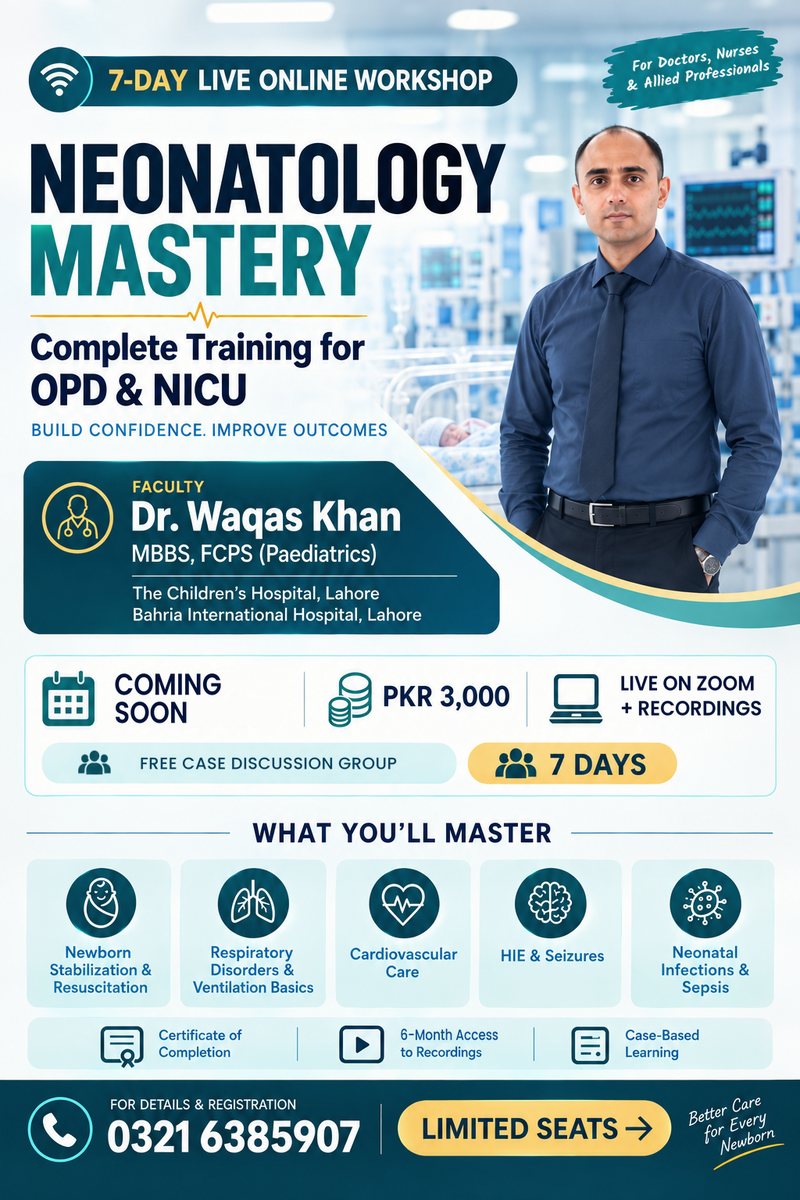
Neonatology Mastery poster: 7-day live online workshop for OPD and NICU, coming soon, PKR 3,000, with Dr Waqas Khan, MBBS, FCPS (Paediatrics)
Student reviews

What our students say

Thank you so much for such an interesting and informative lecture, for new consultants as well as those who have been out of practice for a long time! I'm really glad to see doctors teaching alongside their duties with such devotion. Keep up the good work. JazakAllah.

Dr Ambrina SulemanNeonatology · Batch 2

I don't want these sessions to end. Kaafi kuch revise ho jata hai, aur kaafi kuch naya seekhne ko milta hai. JazakAllah.

MinaNeonatology · Batch 2

All these online lectures and notes are really, really helpful. May Allah bless you even more.

Dr Ambrina SulemanNeonatology · Batch 2
“An interesting and informative session.”— Dr Aman Shaikh“Great explanation.”— Dr Zain“Well explained.”— Asma

See all student reviews & original messages →

Download poster